Bolden Journalism Workshop Alumni Helps to Write New Documentary
Battle Hopes to Explore Current African American Beauty Standards in Next Documentary
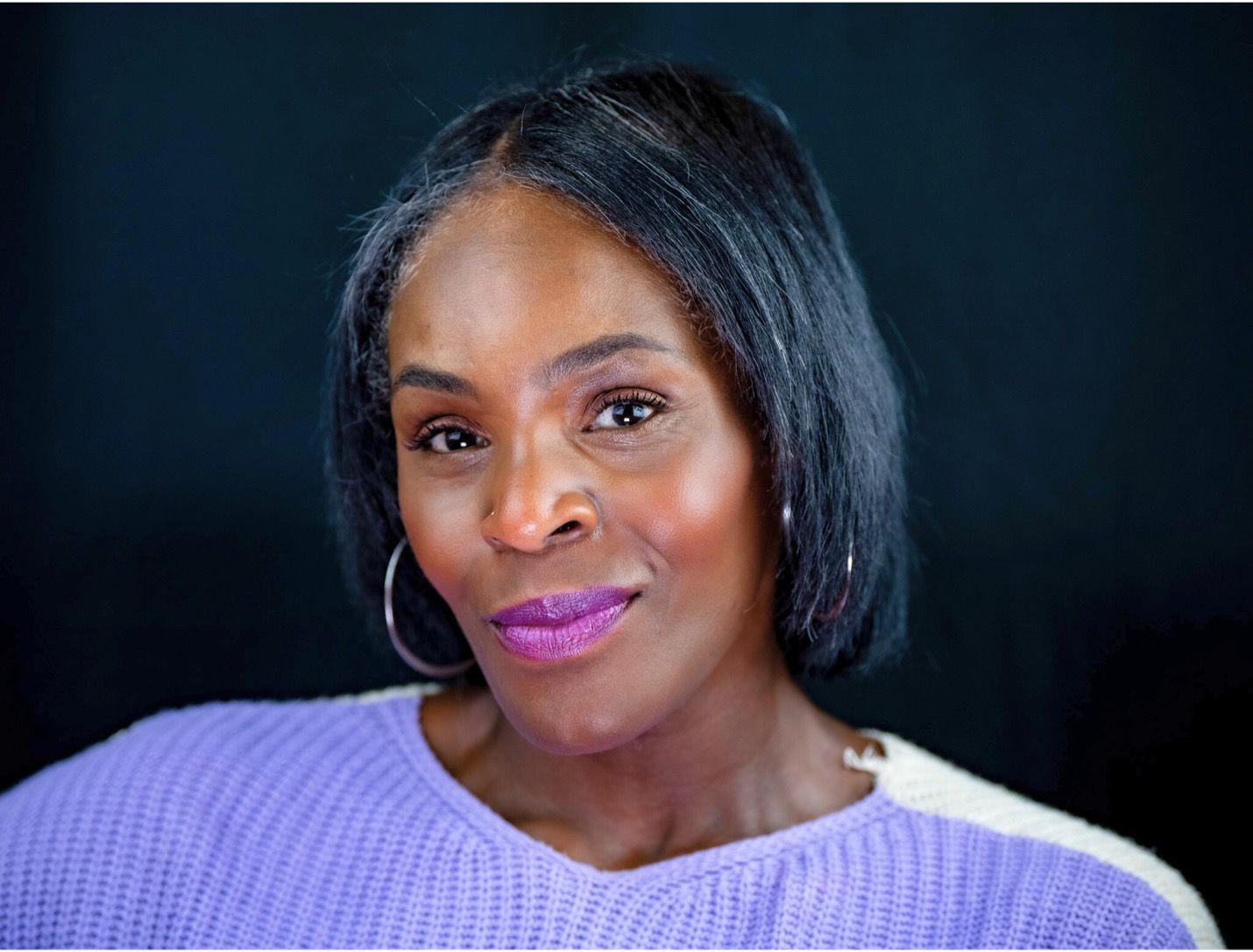
Battle
The Black-owned WAMO radio station got its start in 1948 when it began as WHOD, broadcasting news and music from Homestead, a small community just outside of Pittsburgh. In the 1950s, the station became WAMO—taking its call letters from the first letters in the area’s
Allegheny, Monongahela and Ohio rivers. Its mix of Black music, public affairs, and energetic on-air talent helped it to grow in popularity, and it became known as the voice of Black Pittsburgh and the surrounding area.
There are some who consider WAMO’s golden era to be the 1980s, ’90s and early ’00s. It was a time when it trailblazed with hip-hop music, strengthened community ties and sponsored festivals and promoted political activism.
Now, a documentary “WAMO: The Sound of the Steel City” captures much of that history and more. Helping to chronicle some of this past and much of WAMO’s influence on the region is Allegra Battle, an award-winning reporter and former WAMO journalist.
Battle began her career as morning news anchor for WAMO-FM. She holds a BA in Broadcast Journalism from Howard University with a minor in Photography. Battle always knew she wanted to be a journalist. In 1994-1995, in high school, she took part in the Pittsburgh Black
Media Federation’s Frank Bolden Urban Journalism Workshop, a weeklong summer camp where her track was print journalism.
After college, Battle worked at WAMO in the mornings and, two years in, she got hired full time doing radio news until the station was closed in 2009.
Battle now works as a communication manager and freelance journalist. But her roots and her connection to WAMO drew her to the documentary as a writer, helping to center the history of WAMO and how it has served the Black community for many generations.
“As a writer I had to think deep because it goes beyond just WAMO and the radio station,” she said. “It required talking about what was the climate like for Black media in 1948 when WAMO started. What was the climate of Black Americans, we were still in Jim Crow and how did that translate.”
Battle recalled her love of writing as a child and remembered she first wrote a play in the fifth grade. In middle and high school, she attended a performing arts school where she majored in theater and minored in dance.
One year she took a trip with her school to New York and visited “The Today Show” studio and at that moment said, “this is what I want to do”.
“From there on and out, I was involved with anything to do with journalism and writing” she added.
When asked how the skills she learned from PBMF’s Bolden workshop benefited her, she replied “It was a great experience. I felt ahead of most people and had the edge. The workshop was integral in developing me as a journalist.”
“Some of the things we did in the workshop really helped me, like reading the newspaper to keep abreast on what was happening in the world and the city. Reading the newspaper as a freshman in college really pushed me forward” she said.
So many people she works with today know her from the workshop or from her mentor, journalist and PBMF treasurer Dr. Ervin Dyer, whom she met as a workshop student. When asked about the importance of those connections she made in at the Bolden workshop, she
described how cared for she felt, which made her feel not only comfortable but confident.
In the future, she hopes to do more documentary work, such as exploring African American beauty standards now compared to standards in the past and much more.
“I have a 19-year-old daughter who is about to be 20 this year who is a freshman at Morgan State University and I’m learning so much from her” Battle added. “When she goes to school, she doesn’t need to know someone who can do her hair because everyone at her school can do hair.” Understanding the history of how this came to be plays a big role on why Battle would next like to dive into exploring whether there are new African American beauty standards for young Black women.